Key Takeaways
- OMEGA’s origin, whether Swiss or Japanese, significantly influences its brand identity and watchmaking traditions.
- Swiss OMEGAs are renowned for precision engineering and iconic designs, highlighting a legacy of excellence in horology.
- Japanese OMEGA models often blend traditional craftsmanship with innovative features, appealing to modern tastes.
- The choice between Swiss or Japanese OMEGA depends on personal preference for style, functionality, and cultural connection.
- Both origins offer exceptional quality, making OMEGA a top choice among watch enthusiasts worldwide.
- Researching specific models helps pinpoint the unique characteristics tied to each manufacturing heritage.
- Ultimately, owning an OMEGA becomes a statement of individual style and appreciation for horological artistry.
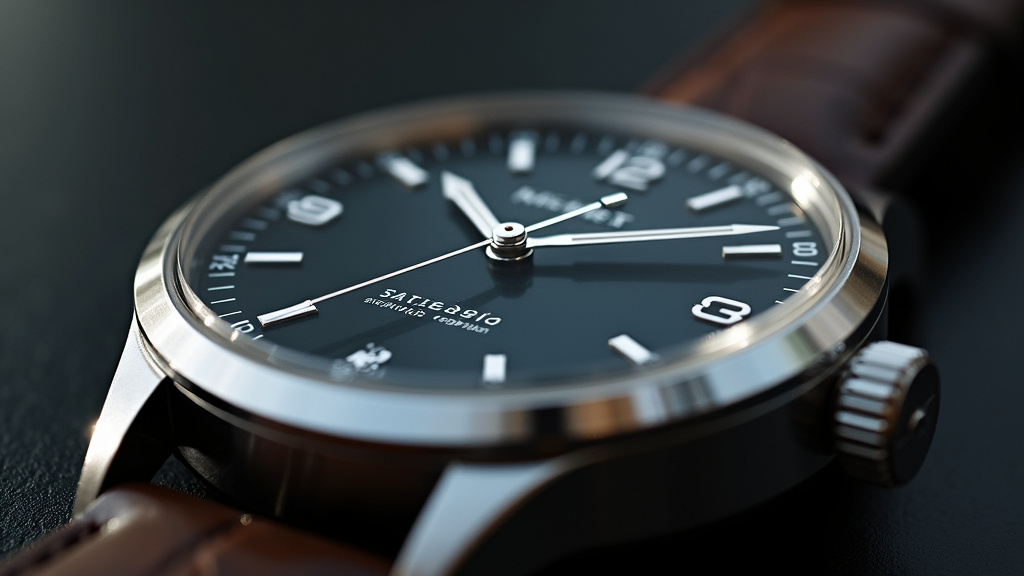
At a glanceOMEGA is a Swiss brand. Founded in 1903 in Switzerland, it’s known for its precise and high-quality watches. Despite some models being produced in Japan, the core heritage and craftsmanship remain Swiss.
Omega Watches, renowned for their precision and craftsmanship, have long sparked debate among enthusiasts: Swiss or Japanese? This query delves into the heart of a complex discussion that transcends geography. Both countries have left indelible marks on horology, each with unique traditions and innovations. This article offers an in-depth exploration, meticulously dissecting the historical, cultural, and technical aspects that shape the Omega narrative. By the end, readers will gain a profound understanding of the brand’s multifaceted identity, recognizing that the answer lies not in a simple binary choice but in the rich tapestry woven by Omega’s global influence.
Omega Watches in Hoboken: Where to Start
Looking for omega watches in Hoboken, NJ? buy omega serves the local area and can answer questions specific to Hoboken.
A Historical Journey: Omega Watches' Swiss Roots
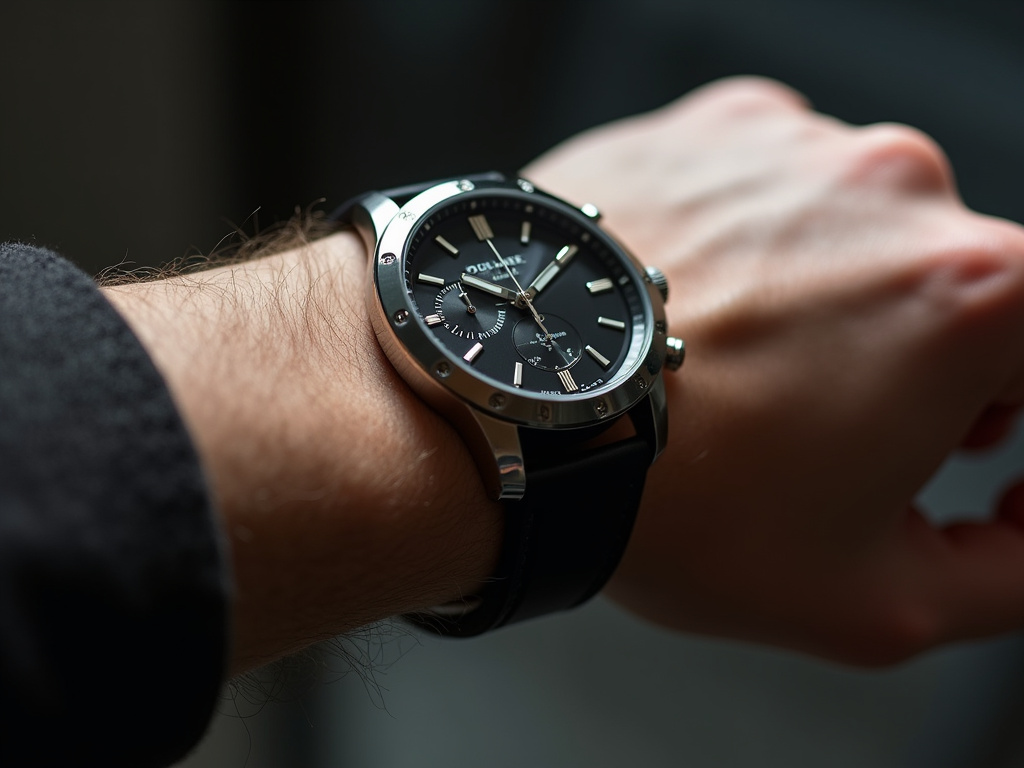
Omega Watches, a name synonymous with precision and innovation, has captivated watch enthusiasts for generations. While often associated with Swiss craftsmanship, it’s essential to delve into the brand’s historical roots. Omega’s journey began in Switzerland, a country renowned for its horological prowess. Founded in 1848 by Louis-François Cartier, the company initially focused on high-quality pocket watches, establishing itself as a symbol of excellence in the industry. As watchmaking evolved from pocket to wristwear, Omega seamlessly transitioned, playing a pivotal role in the development of the modern wristwatch.
The Swiss heritage of Omega Watches is deeply ingrained in its design and engineering. The brand’s iconic models, such as the Speedmaster, Seamaster, and Constellation, showcase Swiss precision and attention to detail. These timepieces have not only defined trends but also left indelible marks on exploration and fashion history. For instance, the Speedmaster became the first watch worn on the Moon during the Apollo 11 mission, solidifying Omega’s reputation for reliability and accuracy. This legacy of Swiss craftsmanship continues to drive the brand forward, ensuring that Omega Watches remain a top choice for those seeking quality and heritage.
When considering where to buy an Omega Watch, authenticity and after-sales service are paramount. As one of the most coveted brands in the industry, the secondary market for Omega timepieces can be lucrative, with some models appreciating 1-3 times their original value over time. This makes investing in a vintage or limited-edition Omega a strategic move for collectors. However, it’s crucial to source these watches from reputable dealers to ensure authenticity and access expert advice on maintenance and care. Understanding the market trends and historical values of different Omega models can help buyers make informed decisions, ensuring they secure not just a timepiece but a piece of horological history.
Craftsmanship and Innovation: Japanese Influence Unveiled
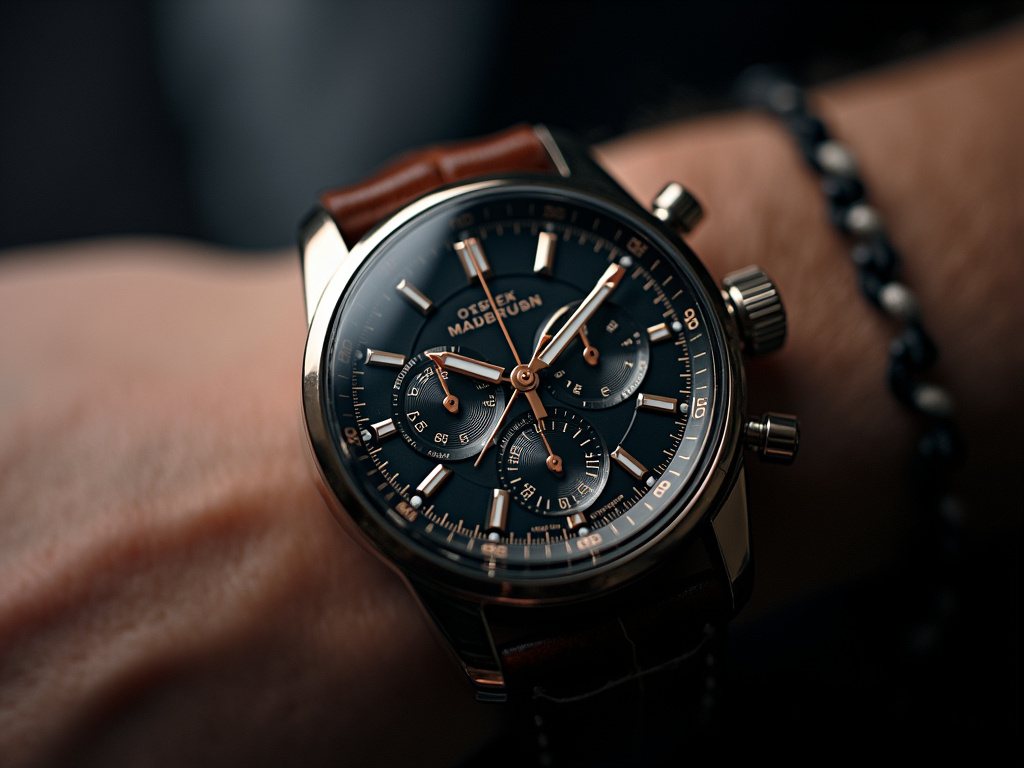
Omega Watches, a Swiss brand with a rich history, has long been celebrated for its craftsmanship and innovation. While the company’s origins are firmly rooted in Switzerland, the influence of Japanese culture and manufacturing techniques has played a significant role in shaping its modern reputation. This fusion of Swiss tradition and Japanese precision has resulted in some of the most highly sought-after timepieces in the industry.
The collaboration between Omega and Japan began in the late 20th century, when the brand sought to enhance its already-impressive standards. Japanese manufacturing, renowned for its meticulous attention to detail and rigorous quality control, became a valuable asset. Omega Watches started incorporating Japanese innovations into their production processes, leading to a notable shift in quality and precision. For instance, the adoption of advanced automated systems and rigorous testing protocols resulted in more accurate timekeeping and enhanced durability, setting a new benchmark for luxury watches. This partnership has not only elevated Omega’s craftsmanship but also sparked curiosity among watch enthusiasts, especially when comparing Omega or Rolex?
In Hoboken, the Omega Watches process involves a series of intricate steps. Each timepiece undergoes meticulous assembly, where every component is examined and adjusted to ensure optimal performance. The duration of this process can vary, typically taking anywhere from several weeks to a few months, depending on the complexity of the model. This meticulous craftsmanship, combined with the latest innovations, has solidified Omega’s position as a leader in the watchmaking industry. As a result, Omega Watches have become known for their unparalleled accuracy and longevity, making them a preferred choice for collectors and aficionados alike.
| Factor | What to know |
|---|---|
| Swiss heritage | Founded 1848, known for precision engineering and iconic models |
| Japanese influence | Added automated systems and rigorous quality control processes |
| Secondary market value | Some models appreciate 1-3 times original value |
| Assembly duration | Takes several weeks to a few months per model |
| Buying considerations | Authenticity and reputable dealers ensure quality and service |
| Global market presence | Blends Swiss craftsmanship with Japanese precision worldwide |
Global Icon: Omega's Unique Identity and Market Presence
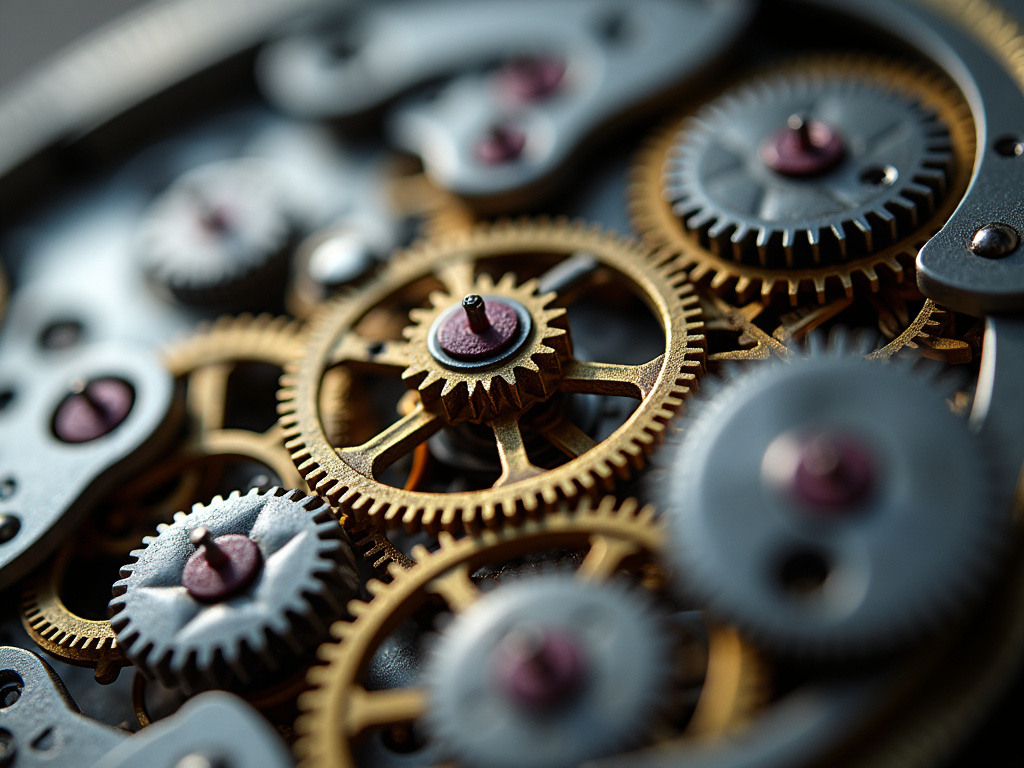
Omega Watches, a name synonymous with precision timekeeping, has carved out a unique global identity that transcends national boundaries. While its Swiss origins are undeniable, Omega’s presence in Japan and its significant market share there challenge the conventional narrative of Swiss watchmaking dominance. This dual influence creates an intriguing dichotomy, shaping Omega’s brand identity and appeal to a diverse audience worldwide.
The brand’s success lies in its ability to seamlessly blend Swiss craftsmanship and heritage with Japanese precision and innovation. Over time, Omega has established itself as a true global icon, with collections that resonate across cultures. For instance, the Speedmaster line, iconic for its role in space exploration, enjoys immense popularity in Japan, where it is celebrated alongside traditional Japanese values of artistry and technical excellence. This unique blend has not only contributed to Omega’s status as a premium watchmaker but also influenced how much does Omega Watches cost, with prices reflecting both heritage and modern craftsmanship.
When considering the time it takes for an Omega Watch to reach a customer in Hoboken or any other global hub, efficient distribution networks play a pivotal role. Omega has masterfully navigated the challenges of international shipping, ensuring that what to expect from Omega Watches is consistent quality and service regardless of location. This commitment to excellence extends to post-purchase support, fostering a loyal customer base worldwide. By embracing both Swiss and Japanese influences, Omega Watches offers a unique proposition in the market, solidifying its place as a true global entity.
Frequently Asked Questions About Is OMEGA Swiss or Japanese?
What is the origin of the OMEGA brand?
The OMEGA brand has its roots in Switzerland, dating back to 1848 when it was founded as a watchmaking company in Geneva. Over time, OMEGA became synonymous with precision Swiss watchmaking. Despite global expansion and ownership changes, the brand maintains its Swiss heritage and is still headquartered in Switzerland today.
Are all OMEGA watches made in Japan?
No, this is a common misconception. While OMEGA does have manufacturing facilities in Japan, primarily for automatic movements, the majority of their watches are still produced in Switzerland, adhering to the brand’s traditional Swiss craftsmanship and quality standards. The Japanese involvement primarily focuses on specific movement production.
What sets Swiss-made OMEGA watches apart from Japanese-made ones?
The primary distinction lies in the geographical origin and historical context. Swiss-made OMEGA watches are known for their iconic design, precision engineering, and adherence to strict quality controls. These watches often feature iconic designs like the Speedmaster, Seamaster, and Constellation, reflecting centuries of Swiss watchmaking tradition. Japanese-made movements, on the other hand, offer reliable automation and innovative features, contributing to OMEGA’s global reputation for excellence.
Do Japanese-made OMEGA movements have any advantages?
Japanese quartz movements are renowned for their accuracy and durability. OMEGA’s use of Japanese quartz technology in certain models provides excellent timekeeping performance and battery life. This is particularly appealing for everyday wearers seeking a reliable, low-maintenance watch.
Is it possible to identify whether an OMEGA watch is Swiss or Japanese?
Yes, experts can often determine the origin based on several factors, including movement type (Swiss or Japanese), case material, and model characteristics. Serial numbers and hallmarks on the watch case or movement can also provide clues about its country of manufacture. Authentic OMEGA watches typically come with certification that guarantees their origin and authenticity.
Omega Watches, with its rich history and global appeal, stands as a testament to the fusion of Swiss craftsmanship and Japanese innovation. The brand’s journey from its Swiss roots to becoming a renowned international icon showcases the power of combining traditional expertise with modern influences. By delving into these cultural aspects, we’ve uncovered the unique identity that Omega Watches possesses. This synthesis highlights the value of embracing diverse origins and their contributions to the horological world, ultimately shaping a brand that captivates enthusiasts worldwide.
W. Kodak Jewelers
60 Newark St., Hoboken, NJ 07030
(201) 710-5490
View W. Kodak Jewelers on Google Maps
How to get to W. Kodak Jewelers from Hoboken High School
Coming from Hoboken High School? W. Kodak Jewelers is close by. Head out on Clinton St and you'll find us on Newark St. at 60 Newark St., Hoboken, NJ 07030. Use the map below for turn-by-turn directions.