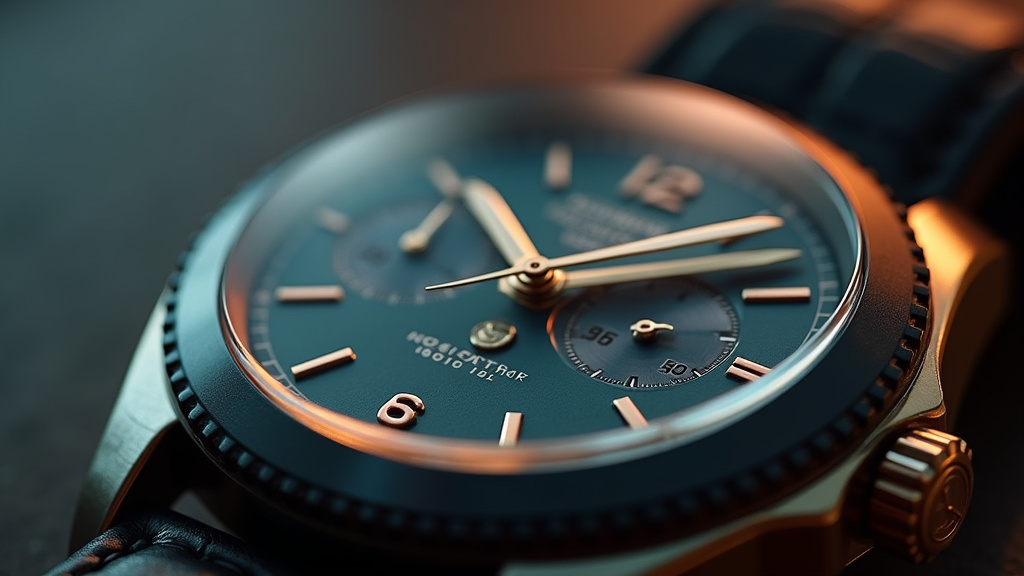
At a glanceOmega is the last letter of the Greek alphabet and often symbolizes the end or completion. In various contexts, it represents the ultimate or final stage of something, like the end of time in religious texts, or the conclusion of a significant process or cycle. This concept of culmination ties Omega to ideas of fulfillment and resolution.
Key Takeaways
- Omega signifies the end of the Zodiac cycle and is often associated with the concept of the Apocalypse in religious texts.
- It represents a time of transformation and a new beginning following a period of significant change.
- In astrology, Omega holds mystical properties, suggesting a powerful energy that brings conclusion and rebirth.
- This symbol encourages individuals to reflect on their journey, learn from past experiences, and embrace closure.
- Omega serves as a reminder of the cyclical nature of life, death, and renewal in both spiritual and practical contexts.
- Its profound meaning inspires a sense of hope, urging people to prepare for a future filled with potential.
- Understanding Omega can foster resilience, helping individuals navigate endings with grace and open hearts for new beginnings.
In the realm of horology, the term “Omega” has captivated enthusiasts and professionals alike. Beyond mere branding, Omega Watches have become synonymous with precision, craftsmanship, and innovation—a true testament to Swiss watchmaking excellence. However, delving deeper into the meaning of Omega reveals a symbolism that transcends timepieces. This article explores not just the historical and technical significance of Omega, but also its philosophical and cultural implications. By tracing the origins and evolution of the brand, we gain insights that extend far beyond the dials and hands of these celebrated timekeepers.
Omega Watches in Hoboken: Where to Start
Looking for omega watches in Hoboken, NJ? W. Kodak Jewelers Hoboken, NJ serves the local area and can answer questions specific to Hoboken.
Unveiling the Symbolism of Omega in History

The symbolism of Omega, often associated with the end or the last, has evolved significantly over the centuries, transcending its numerical and alphabetical origins. In historical contexts, Omega has represented a final chapter, a conclusion, or a point of culmination. This symbolism has been eagerly embraced by various fields, notably horology, where Omega Watches have come to embody precision, legacy, and innovation. When considering what to expect from Omega Watches, one naturally thinks of Swiss craftsmanship, renowned for its meticulous attention to detail and enduring quality. However, it’s worth noting that while Omega is a Swiss brand, some of their timepieces incorporate Japanese movements, offering a unique blend of European and Asian watchmaking traditions.
In the realm of horology, Omega’s symbolism extends beyond the face of the watch. The brand’s rich history includes being the official timekeeper for the Olympic Games since 1932, an association that has solidified its reputation for accuracy and reliability. This legacy has inspired countless Omega timepieces designed with sport, precision, and style in mind. For instance, the Speedmaster, known as the "Moonwatch," played a pivotal role in space exploration, particularly during the Apollo 11 mission. This historic association has made Omega Watches sought-after collectibles and reliable companions for both everyday wear and special occasions.
Before acquiring an Omega Watch, whether it’s for the first time or as an addition to your collection, there are several questions to consider. Is OMEGA Swiss or Japanese? Understanding the movement origin can provide insights into the watch’s performance and value. Additionally, exploring the specific model’s history, design features, and limited editions can enhance your appreciation of both the watch and its place in horological symbolism. Ultimately, an Omega Watch is more than just a timepiece; it’s a testament to human ingenuity, a piece of history, and a potential legacy of its own.
Omega Watches: A Legacy in Timekeeping
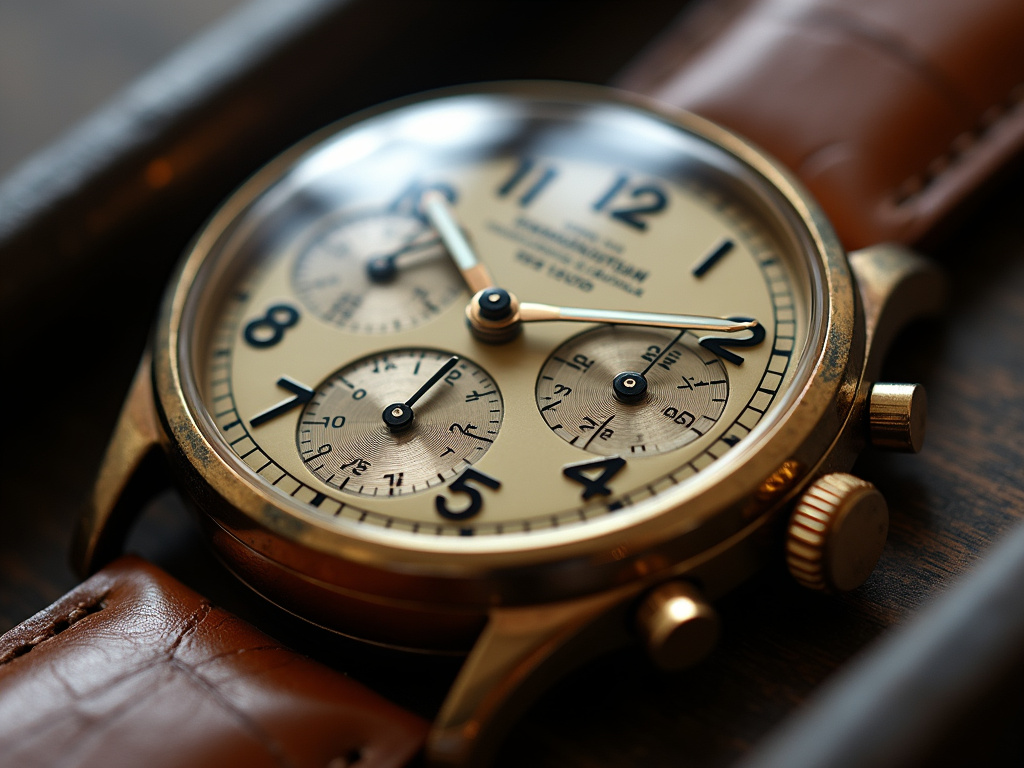
Omega Watches, a name synonymous with precision timekeeping, has left an indelible mark on the world of horology since their inception in 1848. This Swiss brand is not just about telling time; it’s about crafting timeless pieces that have accompanied explorers, astronauts, and everyday enthusiasts alike. The meaning of Omega, in this context, transcends mere accuracy—it symbolizes legacy, innovation, and a rich history intertwined with some of the most pivotal moments in human history.
One of the most remarkable aspects of Omega Watches is their longevity and adaptability. From pioneering space-age chronographs to elegant dress watches, Omega has consistently met the demands of its discerning customers. The iconic Speedmaster, for instance, became the first watch worn on the Moon, a testament to its durability and precision. Today, Omega continues to innovate with advanced movements and materials, ensuring that their timepieces remain at the forefront of technical excellence.
Navigating the world of luxury watches can be daunting, but for those seeking an OMEGA watch, there’s no better place to start than authorized dealers. These experts not only offer a curated selection but also provide valuable insights into the brand’s rich history and unique features. Whether you’re in Hoboken or beyond, taking your time to explore these options will ensure you find the perfect Omega watch that suits your style and interests, potentially lasting for generations to come. After all, How long does Omega Watches take in Hoboken? is not just about a physical location but also the journey of discovering a legacy in your own hands.
| Factor | What to know |
|---|---|
| Olympic timekeeper | Official Olympic Games timekeeper since 1932 |
| Speedmaster Moonwatch | Worn during NASA's Apollo 11 mission |
| Movement origin | Swiss brand, some models use Japanese movements |
| Symbolic meaning | Represents completion, precision, and legacy |
| Buying consideration | Purchase through authorized dealers for authenticity |
Exploring Omega's Philosophical and Cultural Significance
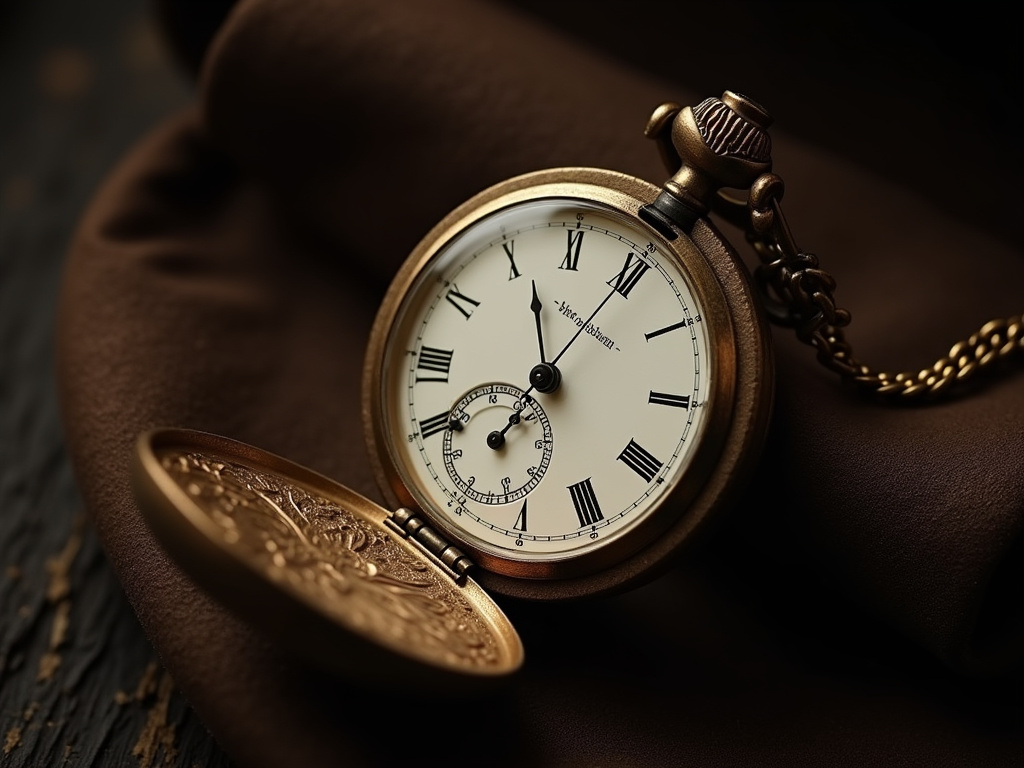
The concept of Omega, particularly within the realm of watchmaking, transcends mere timekeeping, delving deep into philosophical and cultural significance. Historically, Omega Watches have been more than just instruments to measure time; they represent a synthesis of precision, craftsmanship, and even artistic expression. In philosophical terms, Omega signifies eternity and the end of a cycle, which resonates with various existentialist and cyclical theories found in diverse cultures. For instance, ancient Greek philosophy views Omega as the ultimate destination or end point, mirroring concepts of completion and perfection.
Culturally, Omega Watches have held a prominent place, especially within the realms of science, exploration, and luxury. They have been chosen for significant missions due to their reliability and precision, solidifying their status as symbols of achievement and adventure. For instance, Omega watches were worn by astronauts during NASA’s Apollo 11 mission, marking a pivotal moment in human history. This association with exploration and overcoming boundaries further enriches the watch’s symbolic value, extending its significance beyond the wrist it adorns.
When considering where to purchase an Omega watch, it’s essential to seek reputable dealers who can ensure the authenticity and quality of the timepiece. How long does Omega Watches take in Hoboken? The process of acquiring one of these coveted pieces may vary, but skilled retailers should offer guidance tailored to individual preferences and budgets. This journey, from selection to ownership, is a testament to the enduring allure of Omega Watches, where each tick of the clock marks not just time but also a connection to history and philosophical profundity.
Frequently Asked Questions About What is the meaning of Omega?
What is the meaning of Omega in a philosophical context?
Omega, in a philosophical context, often symbolizes the ultimate end or conclusion, representing the final stage of existence. It is a concept that has been explored in various philosophical traditions, particularly in Western philosophy, where it is sometimes associated with the idea of eternity or the absolute. Philosophers have used Omega to represent the unknown or unknowable, the final mystery that encompasses all things. This symbolism invites contemplation on the nature of beginning and end, and the infinite cycle of life and death.
Is Omega related to the end of the world in religious texts?
In religious texts, especially in Christian eschatology, Omega is sometimes interpreted as a symbol of the Second Coming of Christ and the end of times. It is often used to represent the final judgment and the ultimate resolution of humanity’s relationship with the divine. However, interpretations vary across different religious denominations and traditions, with some focusing on the concept as a time of ultimate destruction and others as a period of spiritual renewal.
What is the significance of Omega in mathematics?
In mathematics, Omega (Ω) is often used as a symbol for a large, unspecified quantity or a limit. It appears in various areas of study, such as calculus, where it represents an asymptote or a bound. In statistics, it can denote the highest or lowest value in a dataset. This versatile symbol simplifies complex mathematical expressions and helps in understanding the behavior of functions or data as they approach certain boundaries.
How is Omega used in scientific research?
In scientific research, Omega plays a crucial role in modeling and predicting complex systems. For example, in physics, it might represent the final state of a reaction or the ultimate outcome of a scientific experiment. In ecology, Omega could signify the carrying capacity of an environment or the equilibrium point of a population. Researchers use this variable to develop models, test hypotheses, and gain insights into natural phenomena.
What does Omega mean in the context of artificial intelligence?
In the realm of artificial intelligence (AI), Omega is sometimes employed to represent the optimal or desired outcome of an AI system’s decision-making process. It can denote the highest-quality solution or the most efficient path in a given scenario. AI algorithms use this concept to learn and adapt, striving to achieve the ‘Omega’ result, which is often defined by predefined objectives or desired behaviors.
Can Omega have cultural or societal implications?
Absolutely. Throughout history, the concept of Omega has permeated art, literature, and popular culture, shaping societal narratives. It has been used to portray the end of civilizations, the apex of human achievement, or the ultimate mystery of the universe. These cultural representations influence our collective understanding of time, destiny, and the human condition, often sparking philosophical and spiritual discussions.
Through an exploration of Omega’s symbolism in history, its legacy in timekeeping embodied by Omega Watches, and its philosophical and cultural significance, this article has revealed profound insights into the multifaceted meaning of Omega. We’ve seen how Omega, from ancient interpretations to modern contexts, represents both the unknown end points and the infinite potential of time and human endeavor. Omega Watches stand as tangible embodiments of precision, innovation, and timeless elegance, reflecting a rich heritage that continues to inspire and influence global culture. Moving forward, understanding the profound symbolism of Omega encourages us to embrace a deeper appreciation for time’s essence and the eternal quest for knowledge and discovery, embodying the spirit of exploration and advancement that defines humanity’s journey.
W. Kodak Jewelers
60 Newark St., Hoboken, NJ 07030
(201) 710-5490
View W. Kodak Jewelers on Google Maps
How to get to W. Kodak Jewelers from Hoboken Park
Starting near Hoboken Park? W. Kodak Jewelers is a short drive away. Head out on Pier A Park and you’ll find us on Newark St. at 60 Newark St., Hoboken, NJ 07030. Use the map below for turn-by-turn directions.