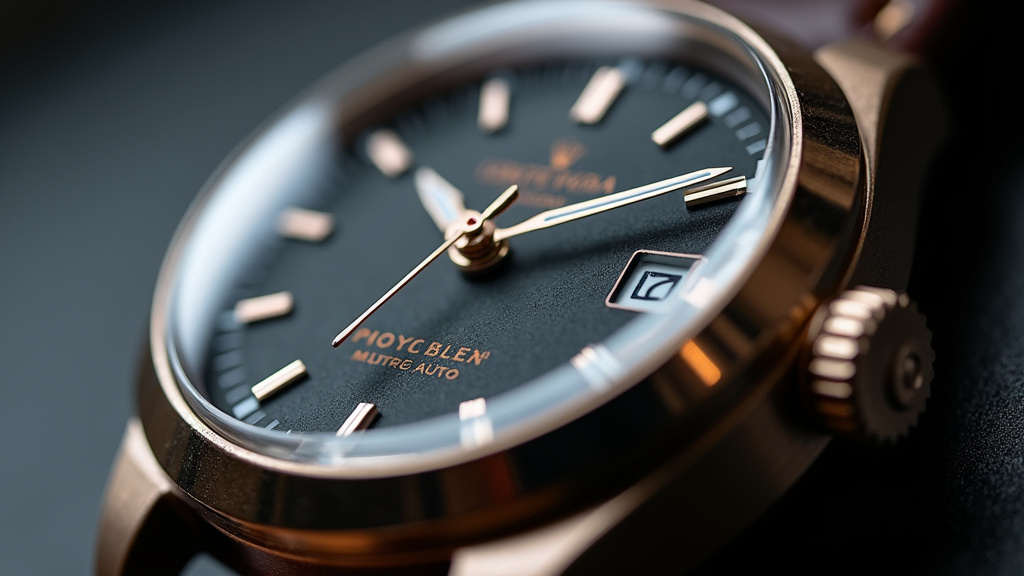
At a glanceOmega Watches is a Swiss luxury watch manufacturer known for precision and innovation. Since 1848, they’ve designed timepieces for explorers, astronauts, and sports enthusiasts, including iconic models like the Speedmaster, worn on the moon. Omega combines craftsmanship and cutting-edge technology to create watches that are both beautiful and highly functional.
Key Takeaways
- Omega watches are renowned for their precision and craftsmanship, setting them apart as a symbol of quality in the horology world.
- The brand’s heritage is deeply rooted in marine chronometers, showcasing its long-standing expertise in timekeeping technology.
- Omega’s Speedmaster model achieved iconic status by being the first watch worn on the Moon, making it a timeless piece for space enthusiasts.
- Their use of innovative materials, like titanium and ceramic, enhances durability while ensuring comfort for everyday wear.
- Omega offers a wide range of styles, from classic dress watches to rugged sports models, catering to diverse tastes and lifestyles.
- Limited editions and collaborations add a layer of exclusivity and desirability to many Omega timepieces.
- The brand’s commitment to innovation, combined with its rich history, ensures its place as a leading luxury watch manufacturer.
Omega Watches have long been recognized as symbols of precision, craftsmanship, and innovation. As one of the world’s most esteemed timepiece manufacturers, Omega’s legacy spans decades, marked by groundbreaking designs and technological advancements. However, navigating the vast array of Omega models can be daunting for enthusiasts and collectors. This article delves into the intricate world of Omega Watches, offering an authoritative guide to their history, key collections, and what sets them apart in today’s competitive market. By the end, you’ll possess the knowledge to appreciate—and acquire—these timeless pieces.
Omega Watches in Hoboken: Where to Start
Looking for omega watches in Hoboken, NJ? the team at W. Kodak Jewelers serves the local area and can answer questions specific to Hoboken.
A Historical Journey: Omega Watches' Evolution
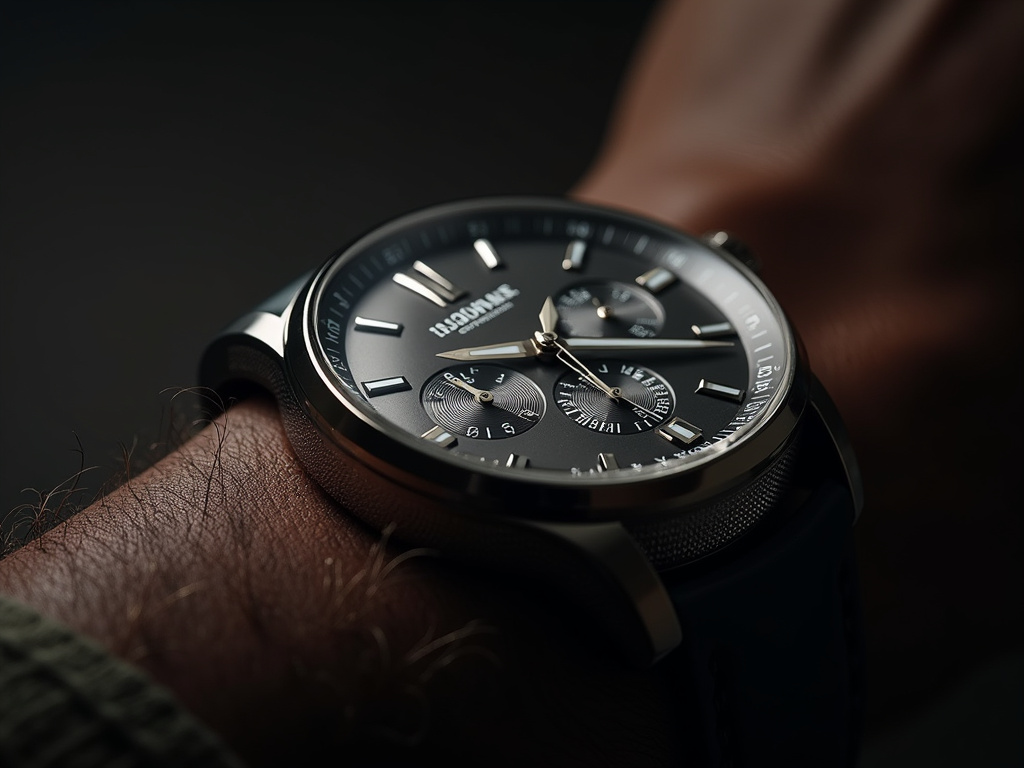
Omega Watches, a name synonymous with precision and innovation, has been a pivotal player in the watchmaking industry for over a century. Their journey began in 1848 when Paul Elin and Charles F. Schuck founded the company in Switzerland, laying the foundation for what would become a horological legacy. Over the years, Omega Watches have not only kept pace with technological advancements but have also left their mark on history, with notable achievements such as being the first watch to leave Earth’s atmosphere, as worn by astronaut Walter Schirra in 1962.
The evolution of Omega Watches is a testament to their unwavering commitment to quality and craftsmanship. What started as a small workshop in Biel has grown into a global brand, now a part of the Swatch Group. This transformation involves a meticulous process, with each timepiece undergoing rigorous testing in their state-of-the-art facilities in Hoboken, ensuring precision and durability. The process includes detailed inspections, performance evaluations, and aesthetic scrutiny, all aimed at meeting the brand’s exacting standards. For collectors and enthusiasts, understanding this process is crucial when evaluating the value and authenticity of Omega Watches. Before purchasing, it’s essential to ask questions like: What specific tests are conducted? Are the movement and case original? And what certifications back the watch’s performance?
Omega Watches’ historical journey also highlights the brand’s adaptability. They introduced the world’s first electronic watch in 1967, a groundbreaking step that set them apart in a rapidly changing industry. Today, while they continue to innovate with smart watches and advanced materials, they also honor their heritage, offering classic designs that have stood the test of time. This balance between tradition and innovation is what holds Omega Watches in high regard among collectors, with pieces from different eras holding significant value, often 1-3 times more, depending on rarity and condition. For instance, the Omega Speedmaster, known as the "Moonwatch," has consistently appreciated in value due to its historical significance, becoming a coveted piece for both wearers and investors.
Unveiling Iconic Designs: The Omega Collection
Omega Watches have long been celebrated for their iconic designs, which blend timeless aesthetics with cutting-edge technology. When exploring the Omega Collection, what to expect is a rich variety of styles catering to diverse tastes and occasions. Each timepiece tells a story, reflecting the brand’s commitment to precision and innovation. For instance, the Speedmaster, famously known as the "Moonwatch," stands as a testament to Omega’s legacy in space exploration, while the Seamaster dives into the depths, showcasing its expertise in creating waterproof watches.
Before considering an Omega watch for acquisition, several questions come to mind. How long does it take to maintain these timepieces? What services are offered by authorized dealers? And what guarantees are provided with a purchase? Omega Watches, given their prestige, require proper care and expert handling. It typically takes 1-3 days for routine maintenance, including battery replacement or minor repairs, at specialized service centers. Ensuring these watches remain in top condition is crucial, as they often retain significant value over time—a testament to their craftsmanship and design.
The process of selecting an Omega watch should be informed by a deep understanding of personal preferences and the brand’s diverse collections. Whether one leans towards classic designs or modern aesthetics, there’s an Omega piece waiting to become a cherished heirloom. For those looking to invest, it’s worth noting that Omega offers excellent resale value, ensuring peace of mind for prospective buyers. As you delve into the world of Omega Watches, remember that each timepiece is not merely an accessory but a piece of horological history, inviting you to join the brand’s enduring legacy.
Beyond Timekeeping: Omega's Technological Advancements
Omega Watches have long been synonymous with precision timekeeping, but their technological advancements extend far beyond basic time measurement. Since its inception, Omega has pushed boundaries in horological innovation, incorporating groundbreaking features that have reshaped the industry. From chronographs to co-axial escapements, these watches showcase advanced engineering and an unwavering commitment to accuracy.
Consider the Speedmaster, famously known as the "Moonwatch," which played a pivotal role in space exploration. Its precise timing capabilities ensured the success of Apollo missions, solidifying Omega’s reputation for reliability under extreme conditions. This legacy continues today with modern versions featuring enhanced technologies like SmartScan technology, offering users quick and accurate time synchronization.
Choosing an Omega Watch involves more than aesthetics; it’s a decision that aligns with your appreciation for technical mastery. While Omega watches are indeed expensive, justifying the price point through the lens of craftsmanship and innovation becomes evident upon exploration. Whether you’re seeking a chronograph for everyday use or a complex limited edition, understanding the brand’s technological contributions ensures you invest in a timepiece that not only tells time but also reflects the relentless pursuit of horological excellence.
Frequently Asked Questions About Omega Watches
What is the history of Omega watches?
Omega, founded in 1848, boasts a rich heritage as one of the world’s most renowned watch manufacturers. From its early beginnings in Switzerland, Omega has been at the forefront of horological innovation. They introduced groundbreaking timepieces like the first mechanical chronograph and played a pivotal role in space exploration, timing Apollo missions with remarkable accuracy. Today, Omega continues to craft exquisite watches, combining traditional craftsmanship with cutting-edge technology.
How are Omega watches made?
Omega watches are meticulously crafted through a combination of manual skill and advanced machinery. The process involves designing and engineering components, assembling the movement (the watch’s mechanical or quartz mechanism), creating the case and dial, and finally, adding the strap or bracelet. Each step requires precision and expertise, ensuring Omega’s reputation for quality and accuracy.
Are Omega watches worth the investment?
Omega timepieces are considered premium products, often reflecting their high-end materials, intricate craftsmanship, and advanced technology. Their value lies in the blend of tradition and innovation, exceptional quality control, and iconic design. While they may be more expensive than some brands, collectors and enthusiasts view Omegas as valuable assets, appreciating both their practical utility and aesthetic appeal.
What types of movements do Omega watches use?
Omega offers a range of movements, including mechanical (automatic or manual) and quartz. Mechanical movements are prized for their intricate mechanics and self-winding capabilities, while quartz movements provide precise timekeeping with minimal maintenance. Some models even feature in-house movements, designed and produced entirely by Omega, showcasing their advanced watchmaking expertise.
Can I buy an Omega watch online?
Absolutely! Omega offers online purchasing through its official website and authorized retailers. Shopping online provides access to a global selection of models and allows for detailed exploration before making a purchase. It’s essential to ensure you buy from reputable sellers to guarantee authenticity and receive the full manufacturer warranty.
Are Omega watches water-resistant?
Many Omega watches are designed with water resistance in mind, featuring specific water-resistance ratings. This means they can withstand exposure to water up to certain depths without damage. However, it’s crucial to check the individual model’s specifications as ratings vary. Some Omega timepieces are even certified for diving, offering superior water resistance and functionality under aquatic conditions.
How do I care for an Omega watch?
Proper care ensures your Omega watch remains in excellent condition. Regular cleaning and servicing are essential, typically recommended every 3-5 years. Avoid exposing the watch to extreme temperatures, direct sunlight, or magnetic fields. Store it carefully, use a soft cloth for cleaning, and consider using a humidifier to maintain optimal humidity levels, all of which contribute to preserving its beauty and functionality over time.
Omega Watches, with its rich historical journey, has not only defined timekeeping but also pioneered technological advancements in the watch industry. From its iconic designs in the Omega Collection to its status as a symbol of precision and craftsmanship, the brand continues to captivate collectors and enthusiasts worldwide. Understanding Omega Watches’ evolution, design philosophy, and technological leaps offers a glimpse into the intricate world of horology, where each second is meticulously crafted. This comprehensive overview equips readers with the knowledge to appreciate the art and science behind these timepieces, inspiring further exploration and investment in the dynamic realm of Omega Watches.
W. Kodak Jewelers
60 Newark St., Hoboken, NJ 07030
(201) 710-5490
View W. Kodak Jewelers on Google Maps
How to get to W. Kodak Jewelers from Hoboken Historical Museum
Coming from Hoboken Historical Museum? W. Kodak Jewelers is a short drive away. Head out on Hudson St and you’ll find us on Newark St. at 60 Newark St., Hoboken, NJ 07030. Use the map below for turn-by-turn directions.