At a glanceOmega Watches is a Swiss luxury watch manufacturer known for precision and innovation since 1903. They create high-end timepieces, including models worn by astronauts and explorers, famous for their Speedmaster line, the first watch on the Moon. Omega combines classic design with cutting-edge technology, making them sought after by horology enthusiasts worldwide.
Key Takeaways
- Omega watches are renowned for their precision and craftsmanship, making them a symbol of reliability among timepiece enthusiasts.
- The brand’s Speedmaster model achieved iconic status by accompanying astronauts on historic moon missions.
- Omega continuously innovates, integrating new technologies while preserving its rich heritage.
- Their limited editions and collaborations often command high premiums in the luxury watch market.
- Omega’s global presence and dedicated service network contribute to their reputation as a premier watchmaker.
Omega Watches, with their rich history and iconic designs, have long been sought after by collectors and enthusiasts worldwide. These timepieces are not merely accessories; they represent craftsmanship, precision, and a legacy spanning decades. However, navigating the vast array of models, complexities, and historical significance can be overwhelming for newcomers. This article delves into the world of Omega Watches, offering an authoritative guide to help readers understand their unique features, historical context, and why they remain among the most coveted timepieces in horology.
A Historical Journey: Omega Watches' Evolution
Omega Watches in Hoboken: Where to Start
Looking for omega watches in Hoboken, NJ? omega aqua terra serves the local area and can answer questions specific to Hoboken.
Omega Watches, a name synonymous with precision and innovation, has traversed an extraordinary historical journey, evolving from a modest watchmaker to a global icon. The brand’s evolution reflects the ceaseless pursuit of excellence and craftsmanship that defines its legacy. Founded in 1848 by August Fourier, Omega initially focused on pocket watches, catering to the elite. However, with the advent of wristwatches in the early 20th century, Omega swiftly adapted, becoming a pioneer in this burgeoning market.
A pivotal moment came during the Space Age, when Omega Watches became the official chronograph of NASA’s Apollo missions. This association cemented Omega’s reputation for reliability and accuracy under extreme conditions. The Speedmaster model, in particular, gained legendary status among astronauts and collectors alike. Today, Omega continues to innovate, incorporating cutting-edge materials and technologies while preserving its rich heritage. What holds value most in these timepieces is not merely their aesthetic appeal or technological advancements but the stories they tell—of exploration, achievement, and enduring legacy.
When considering the acquisition of an Omega Watch, timing plays a crucial role. The market for luxury watches, including Omega, fluctuates based on trends, collector demand, and brand releases. Timing your purchase strategically can lead to significant savings. For example, limited-edition models often appreciate in value quickly upon release but may become more accessible (and affordable) after initial hype subsides. Similarly, exploring pre-owned options through reputable dealers allows collectors to secure desirable pieces at potentially lower costs, though due diligence is essential. The longevity of Omega Watches is another factor worth considering; with proper care, these timepieces can last for generations, making them valuable family heirlooms. Typically, an Omega Watch can retain its value for 1-3 times its initial cost over a period of 5-10 years post-purchase, depending on the model’s rarity and condition.
Unveiling the Mechanics: How They Work
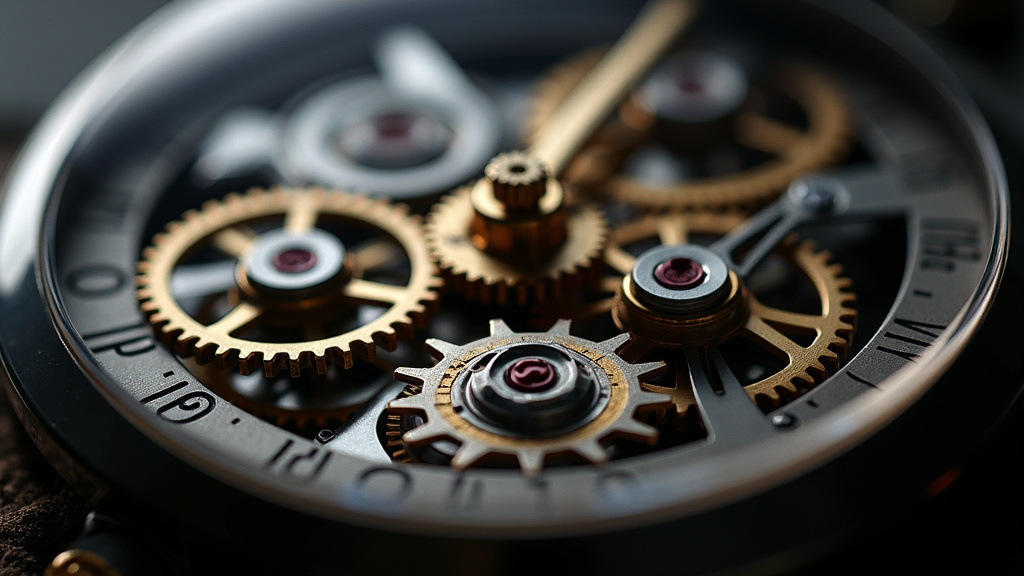
Omega Watches have long been recognized for their exceptional craftsmanship and groundbreaking innovations within the watchmaking industry. Unveiling the mechanics behind these timepieces is a fascinating journey into precision engineering. Each Omega Watch is meticulously crafted, incorporating intricate mechanisms that ensure accuracy and durability. At the heart of many Omega models lies the Swiss-made movement, renowned globally for its reliability and sophistication. These movements are often manual or automatic, with complex systems of gears, springs, and wheels working in harmony to measure time.
When considering whether to hire an Omega Watch, understanding their mechanics is crucial. The process involves a meticulous assembly line in Hoboken, where skilled artisans assemble these intricate timepieces. Every component is subject to rigorous testing to ensure it meets the brand’s stringent quality standards. For instance, the movement might undergo vibrational and temperature tests to simulate various conditions, ensuring its longevity. Is Omega an expensive watch? Indeed, the brand’s prestige often comes with a premium price tag, reflecting the exceptional craftsmanship and advanced technologies employed.
The manufacturing process is a testament to human ingenuity, requiring years of expertise to perfect. For instance, the legendary Omega Speedmaster, famously worn by astronauts on moon missions, features a chronograph mechanism that allows for precise time measurements. This intricate process involves not just assembling parts but also fine-tuning them to meet exacting specifications. By delving into these mechanics, one gains a deeper appreciation for why Omega Watches are considered among the finest in the world, and why the process of creating them is both an art and a science.
| Factor | What to know |
|---|---|
| Speedmaster heritage | Worn by astronauts on NASA Apollo moon missions, earning 'Moonwatch' nickname |
| Movement craftsmanship | Swiss-made manual or automatic movements with gears, springs, wheels |
| Quality testing | Movements undergo vibrational and temperature tests for durability |
| Value retention | Can retain 1-3 times initial cost over 5-10 years |
| Purchase timing | Limited editions may become more affordable after initial hype subsides |
| Pre-owned options | Reputable dealers offer desirable pieces at lower costs with due diligence |
Style Icons: Exploring Omega's Design Legacy
Omega Watches have long been recognized as more than just timepieces; they are style icons that embody elegance and precision. The brand’s design legacy spans decades, leaving an indelible mark on horology and fashion alike. One needn’t own an Omega Watch to appreciate their iconic status; their sleek aesthetics and timeless designs have permeated popular culture, making them instantly recognizable worldwide.
Consider the Speedmaster, a model so revered it earned the nickname "Moonwatch," reflecting its role in NASA’s Apollo missions. This legacy has propelled Omega Watches from functional timekeepers into coveted collectibles, sought after by enthusiasts and style aficionados alike. The brand’s ability to blend technical innovation with classic design has ensured their relevance across generations. Moreover, Omega’s recent collaborations with renowned designers and fashion houses further underscore the enduring appeal of these Swiss-made timepieces.
When considering the purchase of an Omega Watch, it’s essential to recognize the brand’s commitment to quality and craftsmanship. As a Swiss manufacturer, Omega adheres to stringent standards, ensuring each watch meets the highest levels of precision and durability. While Japanese brands have made significant inroads in automatics and quartz movements, Omega Watches remain synonymous with traditional Swiss horology, renowned for their intricate mechanics and meticulous attention to detail.
The best place to buy an Omega Watch is through authorized retailers who can guarantee authenticity and provide post-purchase support. Online platforms offer a vast selection, but be wary of unauthorized sellers. Reputable dealers not only ensure you receive a genuine Omega Watch but also offer the opportunity to inspect and appreciate the intricate design up close. So, whether you’re a collector or a aficionado, investing in an Omega Watch promises not just a functional timepiece but a piece of horological history and style that transcends fleeting trends.
Frequently Asked Questions About Omega Watches
What is the history of Omega watches?
Omega was founded in 1848 by Louis-François Audemars and Auguste-Louis Pilet in Switzerland. It has a rich history, with notable milestones including creating the first mechanical watch movement with a spiral balance spring in 1900 and introducing the Speedmaster, known as the "Moonwatch," in 1967—the first watch worn on the Moon. Omega is renowned for its precision, innovation, and iconic designs, solidifying its place among the world’s leading watch manufacturers.
What makes Omega watches unique?
Omega stands out for several reasons. Its in-house movements are crafted with meticulous attention to detail, ensuring exceptional quality and performance. Omega has a strong heritage of precise timekeeping, innovative designs, and groundbreaking technologies, such as its co-axial escapement, which enhances accuracy. The brand also offers a wide range of styles to suit various tastes, from classic dress watches to rugged sports models.
Are Omega watches reliable?
Omega is known for the reliability and durability of its timepieces. The brand employs rigorous quality control measures during manufacturing, ensuring each watch meets high standards. In-house movements are meticulously crafted and tested to provide accurate timekeeping over the long term. Additionally, Omega offers service and maintenance programs to keep your watch in optimal condition.
What materials are used in Omega watches?
Omega utilizes a variety of premium materials to craft its watches. These include stainless steel, 18K gold, titanium, and even ceramic for specific models. The dials often feature applied markers and hands made from materials like super-luminova, ensuring legibility in various lighting conditions. Many Omega timepieces also boast robust water resistance, with some models able to withstand depths of over 100 meters (330 feet).
Are Omega watches worth the investment?
Omega watches are considered a premium investment due to their exceptional quality, rich history, and strong brand reputation. The craftsmanship, attention to detail, and innovative features make them highly desirable among watch enthusiasts and collectors. While prices can be significant, many see Omegas as valuable assets that only increase in value over time, especially limited-edition or vintage models.
Omega Watches, with its rich history spanning over a century, has not only defined timekeeping excellence but also left an indelible mark on horology and design. From its humble beginnings to becoming a symbol of precision and style, this Swiss brand has consistently pushed boundaries. Understanding the intricate mechanics behind Omega’s movements reveals a testament to human ingenuity. The article highlights how their designs have evolved while retaining a sense of timeless elegance, solidifying their status as iconic timepieces. By exploring these key aspects, readers gain valuable insights into the craftsmanship and vision that make Omega Watches true legacy pieces, inspiring both enthusiasts and collectors alike to appreciate the art of horology.
W. Kodak Jewelers
60 Newark St., Hoboken, NJ 07030
(201) 710-5490
View W. Kodak Jewelers on Google Maps
How to get to W. Kodak Jewelers from Trader Joe’s
Coming from Trader Joe’s? you’re only a few minutes from W. Kodak Jewelers. Head out on Willow Ave and you’ll find us on Newark St. at 60 Newark St., Hoboken, NJ 07030. Use the map below for turn-by-turn directions.