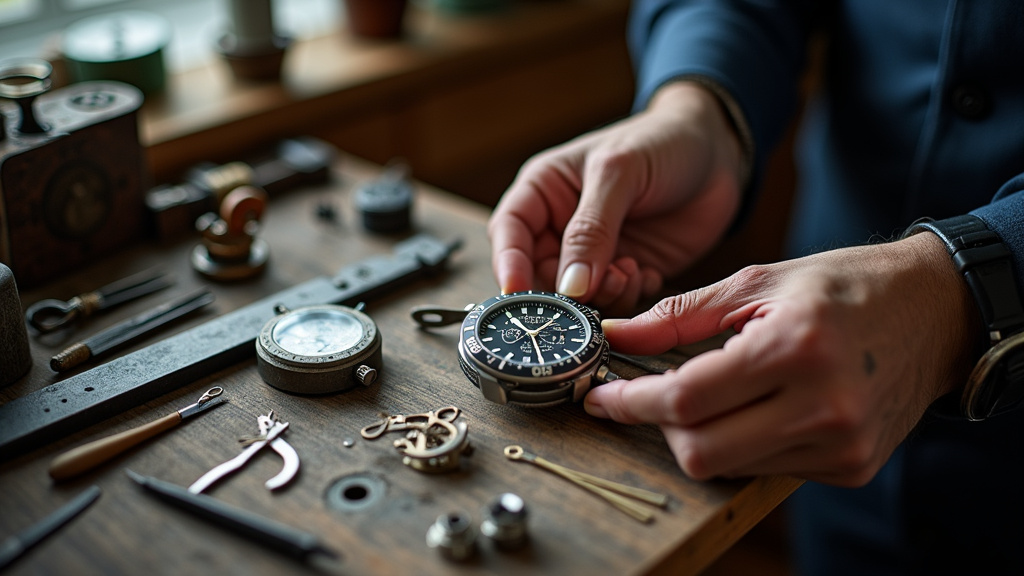
At a glanceOmega Watches is a renowned Swiss brand, celebrated for precision and innovation. Since 1848, they’ve crafted timepieces for explorers, astronauts, and everyday enthusiasts. Omega’s models range from classic to modern, featuring iconic designs like the Speedmaster, known for its role in space exploration.
Key Takeaways
- Omega watches are renowned for their precision and craftsmanship, making them a symbol of quality in the horology industry.
- The brand’s history in timekeeping innovation contributes to its reputation as a leader in watchmaking technology.
- Omega’s iconic models, like the Speedmaster, have left indelible marks on space exploration history.
- The Swiss-made timepieces offer a wide range of styles, catering to diverse tastes and occasions.
- Omega’s commitment to excellence ensures watches that are not just accurate but also aesthetically appealing.
- Collectibility and resale value are high for many Omega models, making them desirable investments.
- The brand’s global presence and strong following highlight its enduring popularity and influence in the watch world.
Omega Watches, with a rich history dating back to 1848, have evolved from Swiss luxury timepieces to iconic symbols in the world of horology. Known for precision, craftsmanship, and innovative design, they’ve captivated collectors and enthusiasts alike. However, navigating the vast array of models, complications, and variations can be daunting. This article delves into the intricate details of Omega Watches, providing an authoritative guide that cuts through the complexities. From the historic SeaMaster to the cutting-edge Speedmaster, we unravel the stories, technologies, and cultural significance that make Omega Watches not just timekeeping devices, but timeless pieces of art.
Omega Watches in Hoboken: Where to Start
Looking for omega watches in Hoboken, NJ? W. Kodak Jewelers omega watches serves the local area and can answer questions specific to Hoboken.
Exploring the Rich History of Omega Watches
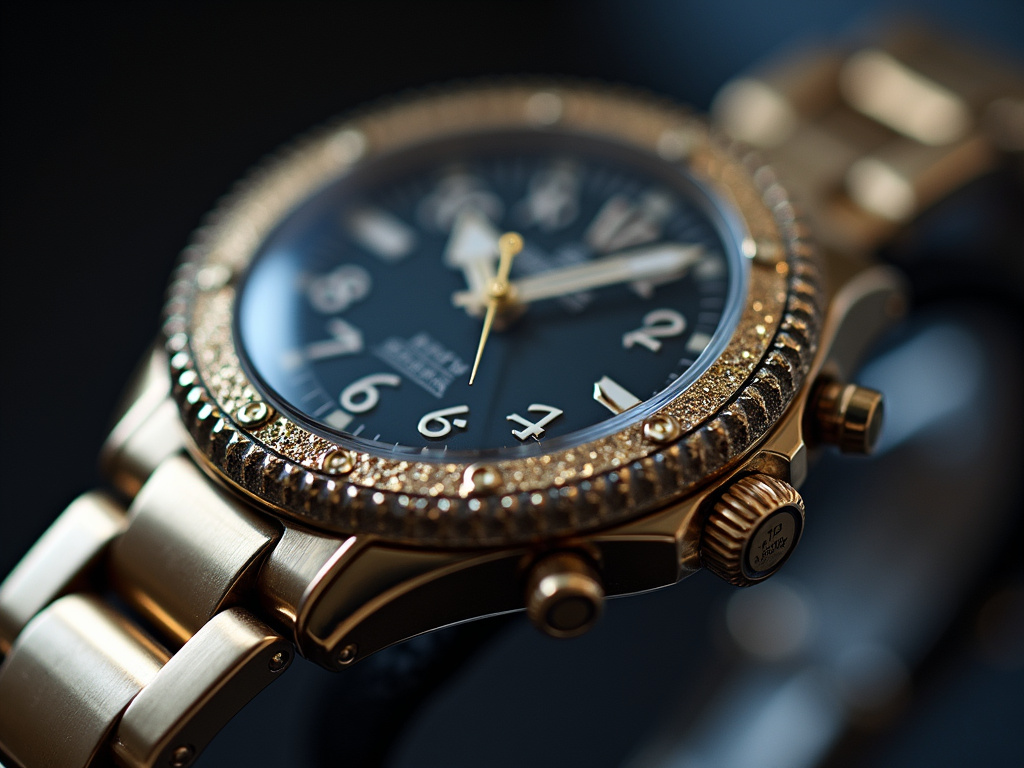
Omega Watches, a name synonymous with precision and innovation, boasts a rich history that spans over 170 years. Founded in 1848 in Switzerland, the brand has left an indelible mark on the watchmaking industry. From pioneering groundbreaking technologies to partnering with space agencies, Omega Watches have been at the forefront of horological excellence. Their iconic models, such as the Speedmaster, which became the first watch worn on the Moon, exemplify their commitment to quality and performance.
The evolution of Omega Watches reflects the changing trends and technological advancements over the years. The brand’s ability to adapt while maintaining its legacy is remarkable. Today, Omega Watches are not only sought after by collectors but also admired for their timeless design and advanced features. When considering the best place to buy an Omega watch, authenticity and reputation are paramount. Reputable retailers and authorized dealers ensure that you acquire a genuine, high-quality timepiece. Before purchasing, it’s essential to ask about the watch’s history, condition, and any service records, much like scrutinizing a vintage car’s service log.
Pricing for Omega Watches varies widely based on the model, materials, and rarity. Entry-level models can start around $1,000, while highly sought-after limited editions can exceed $100,000. For instance, the Omega Speedmaster Dark Side of the Moon, released in 2014, retailed for approximately $7,000 at launch. The secondary market for Omega Watches is also active, with prices fluctuating based on demand and condition. When considering the cost, it’s crucial to factor in the long-term value, craftsmanship, and the emotional connection that comes with owning a piece of horological history.
Unlocking Omega's Cutting-Edge Technology
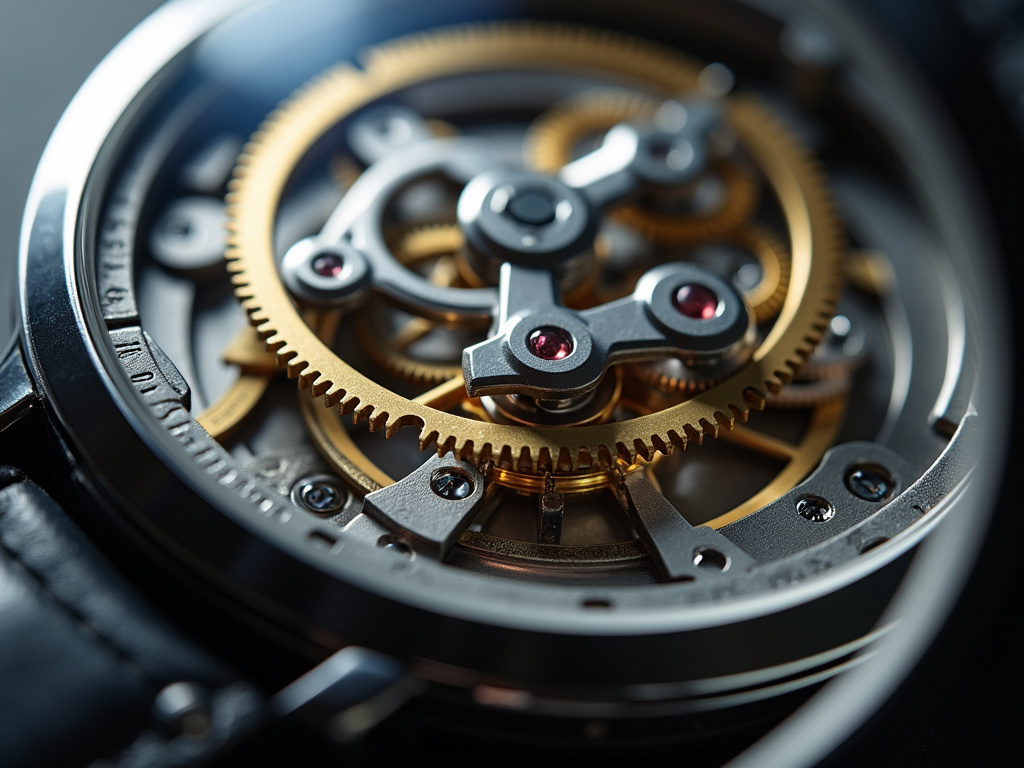
Omega Watches have long been recognized for their unparalleled precision and innovative technology. When it comes to unlocking the full potential of these timepieces, understanding their cutting-edge features is paramount. What to expect from Omega Watches goes beyond mere aesthetics; it involves exploring the intricate mechanics and advanced materials that define their performance. For instance, Omega’s in-house movements, meticulously crafted and tested, ensure accuracy within a few seconds per month, a standard far exceeding industry norms.
The brand’s commitment to innovation is evident in its adoption of new technologies. For example, the Seamaster collection incorporates resistance to extreme depths, making it a favorite among divers. This is achieved through the use of specialized materials and advanced engineering, showcasing how Omega Watches adapt to diverse environments. Moreover, the integration of smart watch features in recent models demonstrates Omega’s willingness to embrace the future, providing users with real-time data and enhanced connectivity, raising the question: do you actually need traditional watch functions in a digital age?
How long does Omega Watches take to maintain their precision? Master watchmakers spend countless hours fine-tuning each timepiece, a meticulous process that ensures optimal performance. This dedication to craftsmanship is what sets Omega apart, making these watches not just accessories but reliable tools for measuring time. Whether you’re a collector or a casual wearer, understanding the technology behind Omega Watches ensures you appreciate their true value. Ultimately, these timepieces offer a blend of heritage, precision, and innovation, making them a worthy investment for those who ask, "How long does Omega Watches last?"
| Factor | What to know |
|---|---|
| Founded | 1848 in Switzerland |
| Speedmaster milestone | First watch worn on the Moon |
| Entry-level price | Starts around $1,000 |
| Dark Side of Moon | ~$7,000 at 2014 launch |
| Seamaster feature | Resistant to extreme diving depths |
Choosing and Caring for Your Omega Timepiece
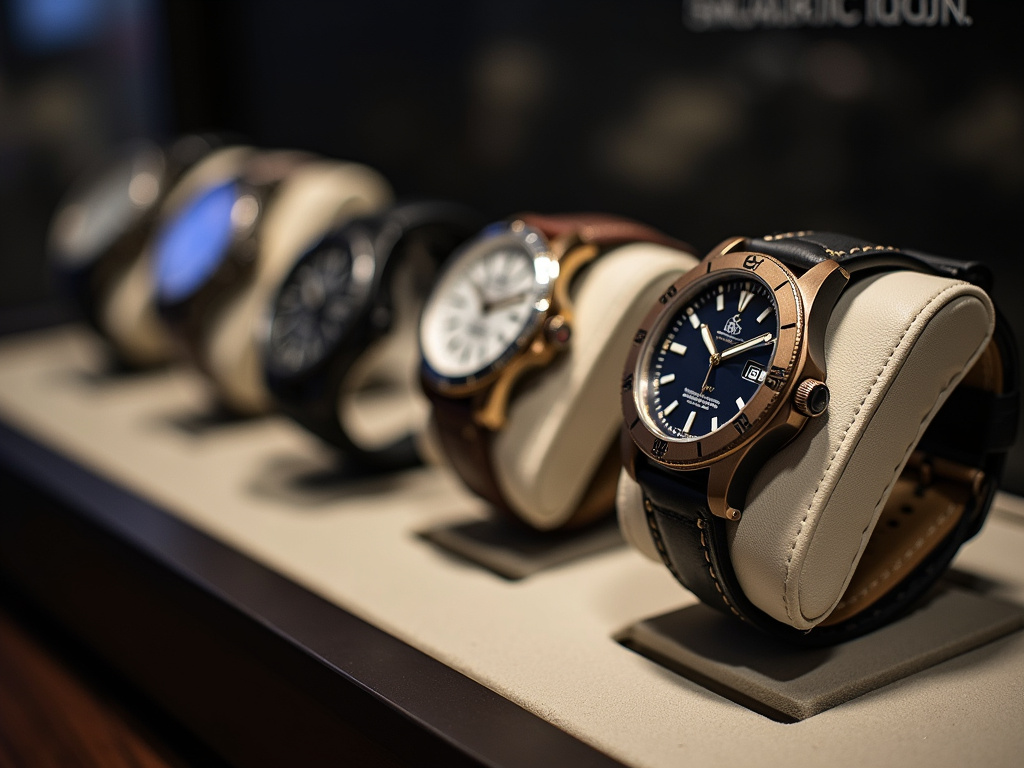
Choosing and Caring for Your Omega Timepiece
When it comes to luxury watches, few brands carry the same iconic status as Omega. Established in 1848, Omega Watches have been synonymous with precision, craftsmanship, and innovation for over a century and a half. However, with such a rich history and diverse collections, selecting and maintaining your Omega timepiece can be a daunting task. To truly appreciate and cherish your investment, it’s essential to understand what sets these watches apart and how best to care for them.
Omega Watches hold significant value due to their historical significance, advanced technologies, and exquisite craftsmanship. While some models can indeed be expensive, what ultimately determines value isn’t the price tag but the watch’s rarity, condition, and historical relevance. For instance, an Omega Speedmaster from the Apollo 13 mission or a limited-edition Seamaster can command premium prices not just for their monetary value, but for their role in human history and exploration. If you’re considering an Omega, it’s crucial to research its specific model, production run, and any unique features that could enhance its resale value.
Caring for your Omega involves a combination of expert knowledge and thoughtful daily practices. First, regular professional servicing is paramount. Unlike some lower-end watches, high-end timepieces like Omegas require specialized care. A reputable watchmaker should service your watch at least once a year, ensuring the movement functions optimally and the case remains in pristine condition. Additionally, always store your Omega properly, away from direct sunlight and extreme temperatures, and use a soft cloth to clean the dial and case rather than harsh chemicals or abrasive materials. Remember, the care you provide today will ensure the longevity of your timepiece tomorrow.
Do you actually need an Omega Watch? This question is subjective, yet a thoughtful consideration. Beyond their functionality as accurate timekeepers, Omegas often serve as symbols of prestige and personal style. They can be passed down through generations or even become family heirlooms. Moreover, investing in a quality watch like an Omega can be seen as an investment in craftsmanship and heritage that transcends the mere cost of the piece itself. However, it’s essential to prioritize your needs and wants before making such a significant purchase. Ultimately, whether you choose an Omega Watch or not should be based on your personal appreciation for fine horology and the value you place on a timeless accessory that combines art and science.
Frequently Asked Questions About Omega Watches
What are Omega Watches known for?
Omega Watches are renowned for their precision, craftsmanship, and innovation. Founded in 1848, Omega has a rich history in horology, creating timepieces for space exploration, including the first watch on the Moon. They are celebrated for their Swiss precision, elegant designs, and use of advanced materials and technologies, making them a choice for both casual wear and high-end collections.
Are Omega Watches expensive?
Yes, Omega Watches are considered luxury items, reflecting their high-quality materials, advanced craftsmanship, and precise movements. While entry-level models can start at a few hundred dollars, many popular Omega timepieces, especially those with complications or limited editions, can cost thousands of dollars. This reflects the brand’s exclusivity and the artistry involved in their creation.
What materials are used in Omega Watches?
Omega utilizes a range of premium materials, including stainless steel, gold, and titanium, for their cases and bracelets. They also feature sapphire crystals, known for their exceptional durability and scratch resistance. Many Omega models employ leather straps, offering comfort and a classic aesthetic, while others feature more modern materials like rubber or metal mesh for enhanced durability and water resistance.
Do Omega Watches offer water resistance?
Indeed, many Omega Watches are water-resistant, with specific models offering different levels of resistance. This feature protects the watch from splashes, rain, or accidental submersion in water. The water resistance is typically indicated on the watch’s specifications, with some models boasting water resistance up to 100 meters or more, suitable for swimming and diving.
How do I care for an Omega Watch?
Proper care ensures the longevity of your Omega timepiece. Regular cleaning and maintenance are essential, including polishing the case and crystal, and keeping the strap clean and free of debris. Avoid exposing your watch to extreme heat, cold, or magnetic fields. Use a soft cloth to wipe it gently and store it in a cool, dry place when not in use. For specific cleaning and maintenance instructions, refer to Omega’s care guidelines or consult a professional watchmaker.
Omega Watches, with a history dating back to 1848, have evolved from Swiss luxury timepieces to symbols of cutting-edge technology and precision. This article has explored the brand’s rich heritage, highlighting milestones and innovations that have shaped the industry. From exploring the intricate mechanics to embracing space-age technology, Omega Watches have consistently pushed boundaries. Key insights include the importance of craftsmanship, the integration of innovative materials and movements, and the brand’s commitment to accuracy and reliability. For collectors and enthusiasts, understanding these aspects is crucial when choosing and caring for their Omega timepieces, ensuring their longevity and value. Moving forward, Omega Watches continue to inspire with their timeless design and advanced functionality, solidifying their place as a leader in the world of horology.
W. Kodak Jewelers
60 Newark St., Hoboken, NJ 07030
(201) 710-5490
Website: wkodakjewelers.com
View W. Kodak Jewelers on Google Maps
How to get to W. Kodak Jewelers from Hoboken High School
Coming from Hoboken High School? W. Kodak Jewelers is close by. Head out on Clinton St and you’ll find us on Newark St. at 60 Newark St., Hoboken, NJ 07030. Use the map below for turn-by-turn directions.