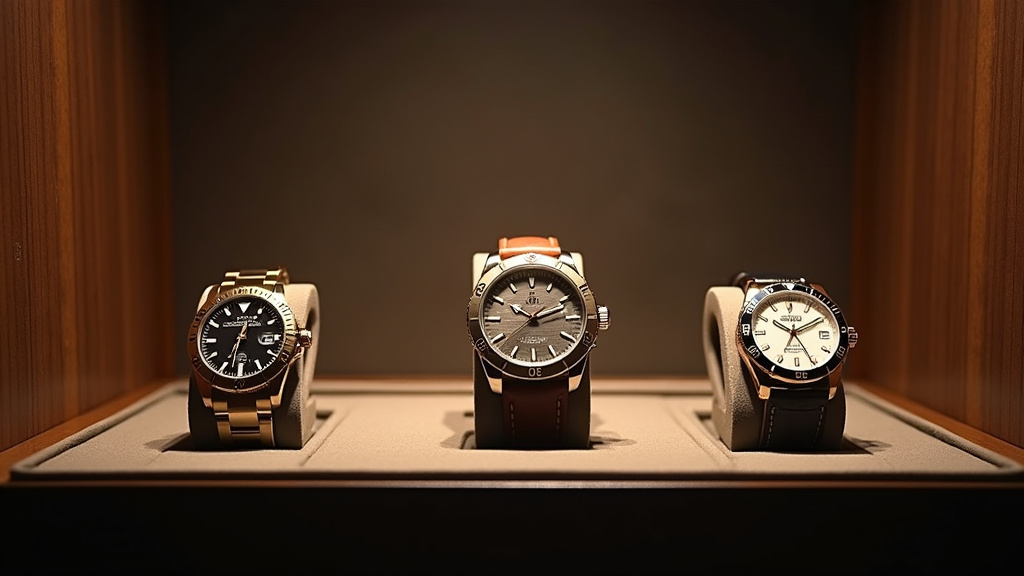
Omega Watches: Precision Meets Prestige
Experience Swiss engineering at its finest with Omega. As one of the world's most revered watchmakers, Omega combines timeless design, unparalleled craftsmanship, and groundbreaking innovations to deliver watches that transcend mere timekeeping. Whether you're a horology enthusiast, a professional seeking a reliable timepiece, or someone who appreciates elegant style, Omegas offer something for every taste and need.
But in a crowded market of luxury brands, how does Omega stand out? This homepage delves into the competitive landscape, comparing Omega's unique blend of performance, precision, and prestige against its peers. We'll analyze key features, pricing, user feedback, and expert reviews to help you make an informed decision.
Market Positioning & Competitive Advantages:
Omega occupies a niche in the premium watch market, balancing high-end craftsmanship with technical innovation. Key differentiators include:
- Legacy and Heritage: Founded in 1848, Omega boasts a rich history of precision timekeeping, including chronometric accuracy achievements and partnerships with space exploration programs.
- Swiss Craftsmanship: Every Omega watch is meticulously crafted in Switzerland, renowned for its watchmaking expertise.
- Innovation: Omega consistently pushes boundaries with groundbreaking innovations like the first mechanical chronograph movement (Calibre 1861) and developments in anti-magnetic technology.
- Sports Timing Expertise: Omega's association with prestigious sporting events like the Olympic Games solidifies its reputation for accuracy and reliability under pressure.
Comparative Analysis:
Omega vs. Rolex: The Iconic Duo
The comparison between Omega and Rolex is a classic clash of Swiss watchmaking titans. Both brands are synonymous with luxury, precision, and exclusivity. However, subtle differences set them apart:
| Feature |
Omega |
Rolex |
| Pricing |
Generally more affordable than Rolex across most models |
Premium pricing, often significantly higher |
| Design |
Classic and versatile styles range from sporty to elegant |
Iconic designs with a focus on bold aesthetics |
| Complications |
Offers a wide range of complications (chronograph, tourbillon, etc.) |
Focuses on core complications like date and chronograph |
| Anti-Magnetic Protection |
Many models feature anti-magnetic technology |
Limited models with built-in anti-magnetism |
| User Reviews |
Praise for precision, build quality, and value for money |
Highly regarded for timeless design and status symbol appeal |
Pros & Cons:
-
Omega:
- Pros: Excellent value for money, diverse style options, advanced technical features.
- Cons: Limited availability of certain models compared to Rolex.
-
Rolex:
- Pros: Unwavering craftsmanship, iconic design, strong brand prestige.
- Cons: Higher price point, limited customization options.
Who's it for?
- Omega shines for those seeking a combination of performance, style, and affordability.
- Rolex is ideal for individuals prioritizing brand status and timeless design.
Omega vs. Patek Philippe: The Ultimate Luxury Showdown
Patek Philippe, another Swiss legend, occupies the pinnacle of luxury watchmaking. While both brands share a commitment to quality, they cater to slightly different audiences:
| Feature |
Omega |
Patek Philippe |
| Pricing |
Significantly more affordable than Patek Philippe |
Among the most expensive watches in the world |
| Design |
Classic and elegant designs with modern touches |
Complex, artful designs often incorporating intricate details |
| Craftsmanship |
Extraordinary attention to detail and finishing |
Unparalleled craftsmanship and use of rare materials |
| Limited Editions & Collectibility |
Offers limited editions but generally more accessible |
Renowned for limited production runs and high collectability |
| User Reviews |
Praises value, performance, and build quality relative to price |
Highly praised for exceptional craftsmanship and timeless beauty |
Decision-Making Criteria:
When choosing between Omega and Patek Philippe, consider:
- Budget: Patek Philippe is a significant investment.
- Personal Style: Omegas offer more diverse design options. Patek Philippes are highly specialized.
- Desire for Collectibility: Patek Philippes hold immense resale value as collectors' items.
Omega vs. Breitling: Aviation Heritage
Breitling, known for its aviation heritage, shares a common legacy with Omega in chronograph and timing technologies. Their target audiences slightly differ:
- Omega: Appeals to a broader range of enthusiasts from sport to luxury.
- Breitling: Focuses on aviators, pilots, and rugged adventurers looking for robust, specialized timepieces.
| Feature |
Omega |
Breitling |
| Design |
Classic and elegant designs |
Sporty, bold aesthetics with aviation-inspired elements |
| Complications |
Offers a wide range including chronographs and tourbillons |
Specializes in chronographs, rotation bezels, and aviation-specific complications |
| Pricing |
Generally more accessible than Breitling across most models |
Premium pricing reflecting specialized features and materials |
| Target Audience: |
General enthusiasts, collectors |
Aviators, pilots, adventurous spirits |
User Feedback & Expert Reviews:
- Omega: Regularly receives praise for its accuracy, reliability, build quality, and value. Online forums are filled with owners proud of their Omega purchases.
- Breitling: Known for building robust timepieces designed for demanding environments, attracting pilots and adventurers who appreciate their durability.
- Patek Philippe: Consistently earns top ratings from watch enthusiasts and publications like Watch Time and Clockwork, highlighting its exceptional craftsmanship and timeless beauty.
- Rolex: Enjoys unwavering brand loyalty thanks to its iconic status symbol appeal. Reviews often highlight the "feel" of a Rolex, emphasizing its enduring design and solid build quality.
Selection Guidelines:
When selecting an Omega watch, consider:
- Purpose: Do you need a reliable daily wearer, a specialized aviation timepiece, or a statement piece for formal occasions?
- Budget: Omegas offer a range of price points.
- Style Preference: Explore different designs to find one that complements your personal style.
- Features & Complications: Determine which complications (chronograph, date, tourbillon) are important to you.
Real-World Scenarios:
- Sports Enthusiast: For a marathon runner, an Omega Seamaster with a stopwatch function and water resistance would be ideal.
- Business Professional: An Omega Speedmaster, known for its precision and sleek design, could be the perfect addition to a suit.
- Collector: A limited-edition Omega Planet Ocean is a coveted piece due to its rarity and technical prowess.
Market Data & Industry Insights:
The global watch market continues to grow steadily, driven by increasing demand for luxury and specialty timepieces. While Rolex maintains a strong dominance in the premium sector, brands like Omega are gaining ground thanks to their innovative designs, technological advancements, and competitive pricing strategies. According to a recent report by Grand View Research, the global smartwatch market is projected to reach USD 271.4 billion by 2030, indicating an ongoing appetite for personalized, technologically advanced timekeeping solutions.
In Conclusion:
Omega offers a compelling blend of Swiss craftsmanship, technical innovation, and heritage that sets it apart in a competitive watch market. Whether you're seeking a reliable daily wearer, a statement piece, or a specialized timepiece, Omegas provide exceptional value and performance. By understanding the nuances of its offerings and comparing them to alternatives like Rolex, Patek Philippe, Breitling, you can make an informed decision that reflects your individual style and needs.
September 23, 2026
alertblitz
Omega watches are indeed expensive, often costing thousands of dollars due to their high-quality materials, precise Swiss craftsmanship, and rich history—some models even reaching tens of thousands. These factors make…
Read more →